

Here is your revised introduction with the focus keyword “Memorare Means” naturally added for SEO without keyword stuffing.
Memorare Means “remember” in Latin. The prayer begins with the famous words, “Remember, O most gracious Virgin Mary,” inviting believers to recall Mary’s loving care and faithful intercession. For centuries, Catholics around the world have turned to the Memorare during moments of fear, uncertainty, illness, grief, and hope. It is a prayer of deep trust that reminds us God never abandons those who seek Him with sincere hearts.
Unlike many prayers that simply ask for blessings, the Memorare expresses complete confidence in Mary’s willingness to intercede before her Son, Jesus Christ. Its beautiful words have comforted saints, families, missionaries, and ordinary believers through life’s greatest joys and hardest struggles. Understanding Memorare Means helps readers appreciate why this timeless prayer continues to strengthen faith and inspire hope across generations.
Whether you’re discovering this prayer for the first time or hoping to understand its deeper meaning, this guide to Memorare Means explains everything you need to know—from the definition of “Memorare” to its history, spiritual significance, biblical themes, and lasting impact on Christian faith.
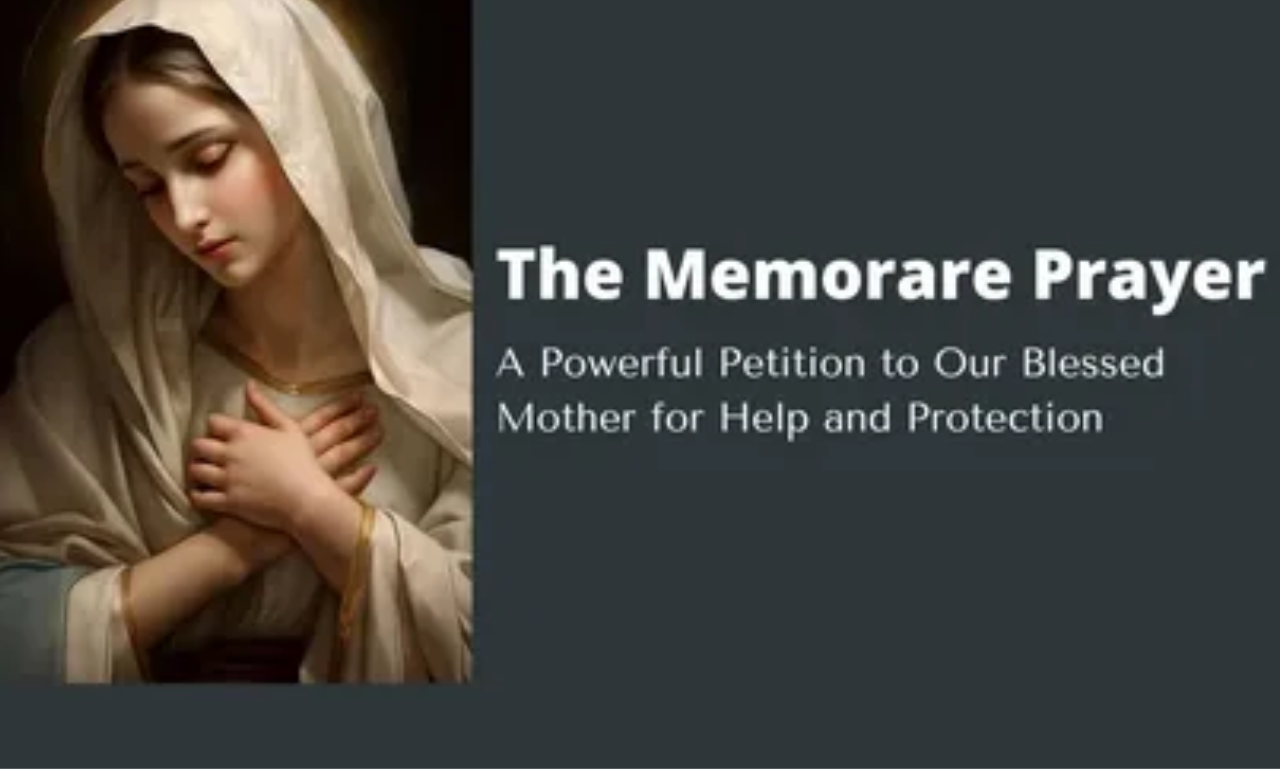
What Does Memorare Mean?
The word Memorare comes from the Latin verb memorare, meaning “to remember,” “to call to mind,” or “to recall.” It is named after the opening word of the prayer:
“Remember, O most gracious Virgin Mary…”
As this guide on Memorare Means explains, the opening word is much more than a simple reminder. It expresses a heartfelt appeal for God’s mercy through the loving intercession of the Blessed Virgin Mary.
Rather than reminding Mary of something she has forgotten, the prayer uses a respectful biblical style of asking for divine attention. Throughout Scripture, people often pray by saying, “Remember me,” as a sincere request for God’s mercy and favor.
In the Memorare, believers confidently ask Mary to remember those who seek her intercession before Jesus. The prayer reflects unwavering faith that no sincere request for help goes unnoticed. Understanding Memorare Means helps readers appreciate the deep trust and hope expressed in every line of this beloved Catholic prayer.
Simple Definition
Memorare Means “remember.” It is a traditional Catholic prayer asking the Blessed Virgin Mary to lovingly intercede for those who seek her help with faith and confidence.
This simple meaning carries a powerful spiritual message:
- Remember God’s promises.
- Remember Mary’s compassion.
- Remember that hope remains even in difficult times.
- Remember that prayer brings hearts closer to Christ.
Although the definition is simple, Memorare Means much more than the literal translation of a single Latin word. It reminds believers to place their confidence in God’s mercy, trust in Mary’s loving intercession, and remain faithful through every challenge of life.
Why Is the Memorare Prayer So Important?
Here is your revised section with the focus keyword “Memorare Means” naturally added for SEO without keyword stuffing.
The Memorare has remained one of Christianity’s most beloved Marian prayers for centuries because it emphasizes confidence instead of fear. As explained throughout this guide on Memorare Means, the prayer encourages believers to replace fear with unwavering trust in God’s mercy.
Instead of focusing on human weakness, the prayer reminds believers of God’s abundant mercy working through Mary’s loving intercession.
Many Catholics pray the Memorare when they are:
- Facing illness
- Looking for guidance
- Preparing for surgery
- Struggling with anxiety
- Seeking forgiveness
- Praying for family members
- Making important life decisions
- Experiencing grief
- Asking for spiritual strength
Its comforting words encourage believers to place complete trust in God’s loving plan rather than relying solely on their own understanding. Understanding Memorare Means helps readers appreciate why this prayer has brought peace and encouragement to millions of faithful Christians.
The Full Memorare Prayer
The traditional English version reads:
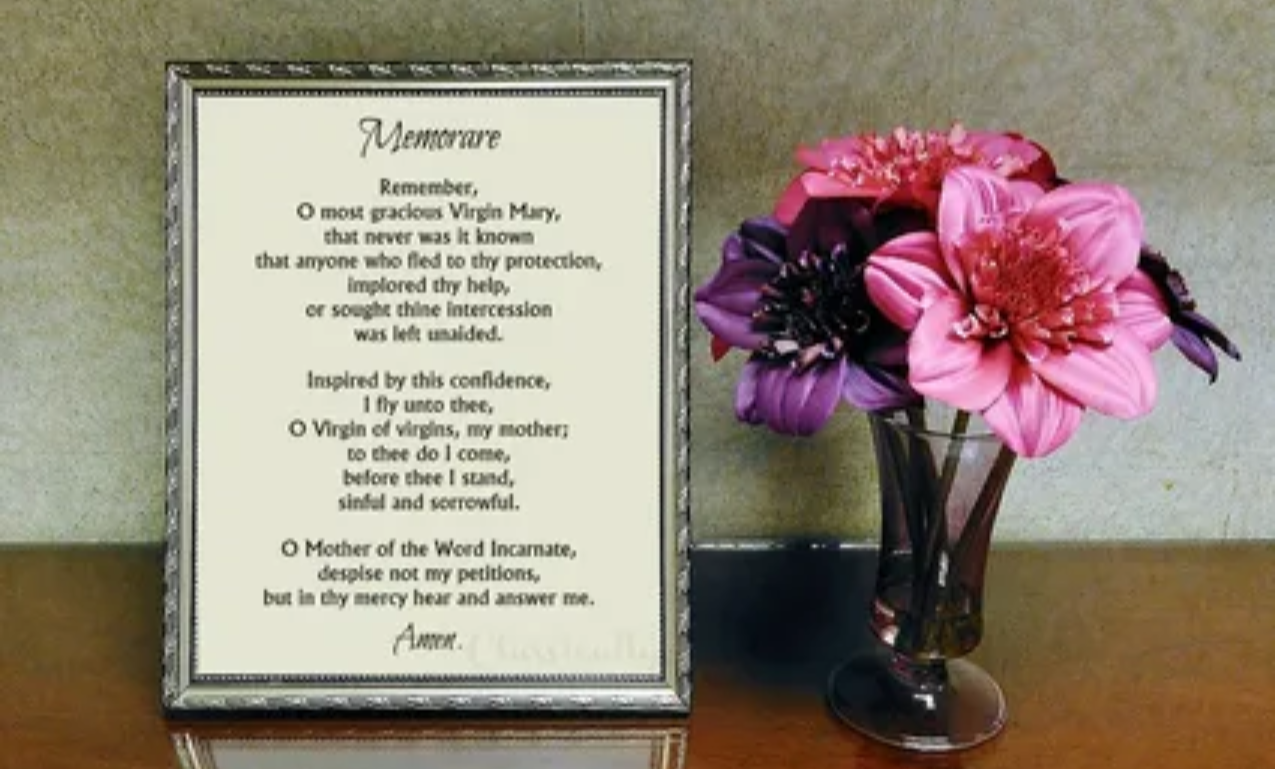
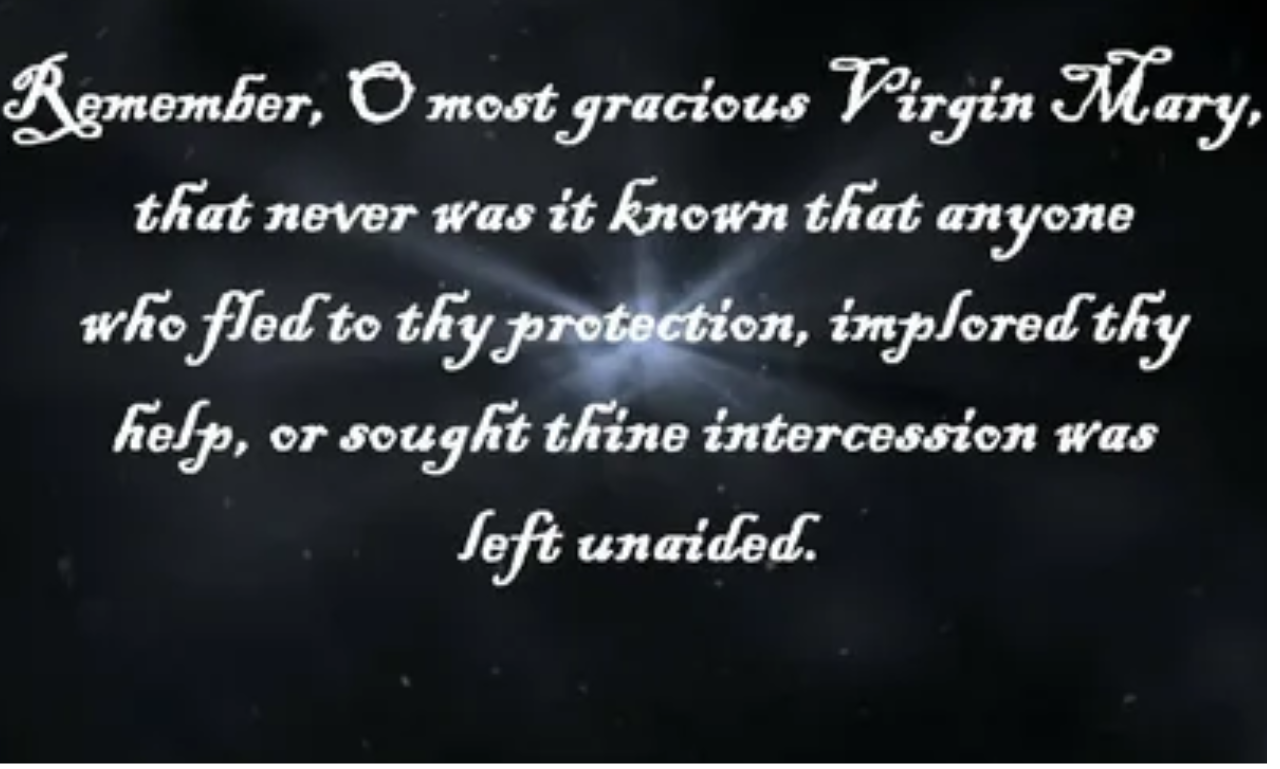
Remember, O most gracious Virgin Mary, that never was it known that anyone who fled to thy protection, implored thy help, or sought thine intercession was left unaided. Inspired by this confidence, I fly unto thee, O Virgin of virgins, my Mother. To thee do I come; before thee I stand, sinful and sorrowful. O Mother of the Word Incarnate, despise not my petitions, but in thy mercy hear and answer me. Amen.
Although relatively short, every sentence expresses profound trust, humility, and hope. Learning Memorare Means allows believers to better understand the rich spiritual message contained in every line of this cherished prayer.
A Brief History of the Memorare Prayer
The Memorare has been cherished in Catholic tradition for hundreds of years. Although many people associate it with St. Bernard of Clairvaux, historians generally agree that he did not write the prayer exactly as it exists today.
Instead, the prayer developed over time from earlier Marian devotions inspired by his teachings about the Blessed Virgin Mary’s compassion and intercession.
The version most Catholics know today became widely known during the 17th century through the work of French priest Father Claude Bernard (not St. Bernard of Clairvaux). Father Bernard promoted the prayer extensively after witnessing countless stories of spiritual comfort among those who prayed it with faith.
As its popularity spread across Europe, the Memorare became one of the Catholic Church’s most treasured devotional prayers. It was included in prayer books, taught to children, shared among religious communities, and passed from one generation to the next.
Today, millions of Catholics continue praying the Memorare in churches, homes, hospitals, schools, and pilgrimage sites around the world. The history behind Memorare Means demonstrates how this prayer has strengthened Christian faith across generations.
Who Wrote the Memorare?
This is one of the most common questions people ask.
The Short Answer
No one knows with complete certainty who originally composed the Memorare. However, two historical figures are closely connected with the prayer.
St. Bernard of Clairvaux
Because the prayer reflects many themes found in St. Bernard’s writings about the Virgin Mary, it was long believed that he wrote it himself.
Although modern scholars generally disagree, his influence on Marian spirituality remains undeniable.
His teachings emphasized:
- Mary’s compassion
- Confidence in prayer
- Christ-centered devotion
- Hope during suffering
- Trust in God’s mercy
These same themes appear throughout the Memorare and help explain the spiritual significance of Memorare Means.
Father Claude Bernard
Father Claude Bernard played the greatest role in spreading the Memorare during the 1600s.
He encouraged people to pray it daily, especially those experiencing hardship, illness, poverty, or spiritual struggles.
According to historical accounts, countless believers reported finding peace, courage, and renewed faith through this simple prayer.
For this reason, Father Claude Bernard is often remembered as the person who popularized the Memorare rather than its original author.
The Meaning Behind the Name “Remember”
The opening word, “Remember,” carries much deeper significance than simply recalling a memory.
In biblical language, asking someone to “remember” is an appeal for compassionate action.
For example, throughout the Old Testament, faithful people prayed:
- “Remember your mercy.”
- “Remember your covenant.”
- “Remember your servant.”
These expressions were acts of trust rather than reminders of forgetfulness.
Similarly, when praying the Memorare, Christians are expressing confidence that Mary’s loving intercession never fails those who sincerely seek her prayers before Christ. This deeper understanding of Memorare Means reveals that the prayer is rooted in faith, hope, and complete dependence on God’s grace.
The word becomes a declaration of hope:
- Remember God’s faithfulness.
- Remember Christ’s saving love.
- Remember the promises of mercy.
- Remember that prayer is never wasted.
- Remember that faith overcomes fear.
This perspective transforms the Memorare from a simple request into a profound expression of confidence in God’s grace. As Memorare Means reminds us, the prayer is not merely about remembering—it is about trusting God’s unfailing love and mercy in every circumstance.

Why the Memorare Continues to Inspire Millions
Here is your revised section with the focus keyword “Memorare Means” naturally added for SEO without keyword stuffing.
The enduring appeal of the Memorare lies in its timeless message: no sincere prayer offered with faith is ever meaningless. Across generations, believers have found comfort in its gentle reminder that they are never alone in their struggles. As this guide on Memorare Means explains, the prayer continues to inspire countless Christians to trust in God’s unfailing mercy.
Whether someone is facing uncertainty, seeking guidance, or simply longing for peace, the Memorare points beyond fear toward trust in God’s mercy through Mary’s intercession. Its words are easy to learn, yet their spiritual depth continues to strengthen hearts around the world.
Because of this enduring message of hope, the Memorare remains one of the most treasured prayers in Catholic devotion and continues to be passed from parents to children, teachers to students, and faithful communities across every generation.
Memorare Means Explained Line by Line
Understanding Memorare Means involves much more than knowing its Latin translation. Each sentence of the prayer reveals a deeper message about faith, trust, mercy, and hope. The Memorare is carefully written to lead believers from confidence in Mary’s compassion to complete reliance on God’s grace.
Let’s explore the prayer one line at a time.
“Remember, O most gracious Virgin Mary”
The prayer opens with an appeal to Mary using the word “Remember.”
This does not suggest that Mary forgets those who pray. Instead, it reflects a biblical style of prayer in which believers ask God or His servants to look kindly upon them.
Calling Mary “most gracious” recognizes her as a model of humility, obedience, and love. Her grace comes from God’s favor, and Catholics honor her as the mother chosen to bring Jesus Christ into the world.
This first line immediately establishes a relationship of trust. It reminds believers that they approach Mary with confidence rather than fear. Understanding Memorare Means helps us recognize that the prayer begins with faith, hope, and complete confidence in God’s mercy.
Key Message: Pray with hope because God’s mercy is greater than human weakness.
“That never was it known that anyone who fled to thy protection”
This sentence expresses centuries of Christian confidence in Mary’s loving care.
The phrase does not guarantee that every prayer will be answered exactly as requested. Instead, it teaches that those who sincerely seek Mary’s prayers are never spiritually abandoned.
Seeking Mary’s protection means asking her to intercede before Jesus during life’s greatest challenges, which is one of the central themes behind Memorare Means.
Many people pray these words when facing:
- Serious illness
- Family difficulties
- Financial hardship
- Anxiety
- Loss of a loved one
- Difficult decisions
- Personal struggles
- Spiritual dryness
The focus remains on trusting God’s wisdom, even when answers come in unexpected ways.
“Implored thy help”
To implore means to ask earnestly and humbly.
Prayer is not simply reciting words. It is opening the heart before God with honesty and faith.
This line reminds believers that God welcomes sincere prayer, especially when it comes from humble hearts seeking His will.
Mary’s role is always understood as pointing believers toward Christ rather than replacing Him.
Spiritual Lesson: True prayer combines humility with confidence.

“Or sought thine intercession”
The word intercession is central to Catholic spirituality.
Intercession means praying on behalf of someone else.
Catholics believe that just as Christians pray for one another on earth, those in heaven also pray for believers.
Mary’s intercession is considered unique because of her close relationship with Jesus as His mother. Understanding Memorare Means reveals that asking for Mary’s intercession is ultimately an invitation to draw closer to Christ.
“Was left unaided”
This beautiful phrase has comforted Christians for centuries.
Being unaided does not simply refer to receiving miracles. Sometimes God’s help appears as:
- Inner peace
- Wisdom
- Patience
- Strength during suffering
- Healing of relationships
- Courage to continue
- Spiritual growth
- Greater trust in God
The Memorare teaches that God always responds with love, even if His answer differs from our expectations.
“Inspired by this confidence”
Confidence is one of the defining themes of the Memorare.
The prayer encourages believers to approach God with hope rather than doubt.
Christian confidence is not based on personal worthiness. Instead, it rests upon:
- God’s mercy
- Christ’s saving love
- Mary’s faithful intercession
- The promises of Scripture
This confidence transforms fear into faith.
Why the Memorare Is Considered So Powerful
Many people describe the Memorare as one of the most powerful Catholic prayers. This reputation comes not from superstition or magical thinking but from its enduring message of complete trust in God’s mercy through Mary’s intercession. The deeper meaning of Memorare Means is found in this unwavering confidence and hope.
Its power lies in the faith it inspires.
It Encourages Complete Trust
The Memorare teaches believers to surrender fear and rely on God’s loving care instead of dwelling on problems.
It Focuses on God’s Mercy
Every line points toward divine compassion. Christians are reminded that God never rejects sincere hearts seeking His help.
It Brings Comfort During Difficult Times
Many believers pray the Memorare when facing:
- Medical treatments
- Family conflicts
- Financial uncertainty
- Anxiety
- Depression
- Loneliness
- Exams
- Career decisions
- Pregnancy
- Grief
Its words provide reassurance even before circumstances change.
It Strengthens Daily Faith
The Memorare is often included in:
- Morning prayers
- Evening devotions
- Rosary meditation
- Eucharistic Adoration
- Retreats
- Novenas
- Family prayer time
- Personal reflection
Regular prayer helps deepen trust in God’s presence throughout everyday life, and learning Memorare Means can enrich this daily spiritual practice.
It Inspires Hope Instead of Fear
One reason the Memorare has remained beloved for centuries is its hopeful tone. Rather than emphasizing guilt or despair, it reminds believers that God’s mercy is always available to those who seek Him with sincere faith.
Biblical Themes Reflected in the Memorare
Although the Memorare itself is not found in the Bible, its message reflects several key biblical teachings.
Faith
Scripture repeatedly calls believers to trust in God even during uncertainty. The Memorare echoes this invitation by encouraging complete confidence in God’s loving care.
Mercy
From Genesis to Revelation, God’s mercy is a central theme. The prayer reminds believers that divine compassion never runs out for those who sincerely repent and seek God’s help.
Intercessory Prayer
The Bible encourages Christians to pray for one another. The Memorare reflects this tradition by asking for Mary’s prayers while keeping Christ at the center of salvation.
Hope
Christian hope is rooted in God’s promises rather than changing circumstances. The Memorare continually directs the heart toward that hope, reminding believers that no sincere prayer is ever offered in vain. This enduring hope is one of the greatest lessons behind Memorare Means.
When Should You Pray the Memorare?
One of the beautiful aspects of the Memorare is that it can be prayed at any time. There is no specific season, day, or circumstance required. Whether life is joyful or challenging, the prayer encourages believers to place their confidence in God’s mercy through Mary’s intercession.
Many Catholics include the Memorare in their daily prayer routine because it is brief, meaningful, and easy to remember. Others turn to it during moments of special need when they are seeking comfort, wisdom, or strength.
Understanding Memorare Means reminds us that this beautiful prayer can bring peace and encouragement in every stage of life.
During Difficult Times
Life often brings situations that feel overwhelming. Illness, uncertainty, financial struggles, family conflicts, or personal disappointments can leave us searching for hope.
The Memorare reminds us that God never abandons those who sincerely seek Him.
Many believers pray it when they need:
- Peace during uncertainty
- Courage to face challenges
- Emotional healing
- Strength to endure suffering
- Hope when circumstances seem impossible
Rather than removing every hardship immediately, prayer helps transform fear into trust.

Before Making Important Decisions
Major life choices often require wisdom and patience. People commonly pray the Memorare before choosing a career, accepting a new job, making marriage decisions, moving to a new city, beginning college, purchasing a home, starting a business, or making family decisions.
During Illness
Hospitals, clinics, and homes around the world have witnessed countless people praying the Memorare during times of sickness. Whether praying for themselves or a loved one, believers often ask for healing, comfort, peace, wisdom for doctors, strength for caregivers, and patience during recovery.
During Times of Anxiety
Modern life brings many worries. Stress from work, school, finances, relationships, and health can become overwhelming. The Memorare gently redirects anxious thoughts toward trust in God’s loving care. Many people find comfort by slowly praying each line while reflecting on its message of confidence and mercy, making Memorare Means a powerful reminder of hope and unwavering faith.
During Family Prayer
5. It Inspires Hope
Hope remains one of Christianity’s greatest virtues. Memorare Means more than simply remembering—it reflects a deep trust in God’s mercy and loving care. The Memorare reminds believers that no situation is beyond God’s care. Even when answers take time, faith continues to grow through patient trust.
It Encourages Compassion
As believers reflect on Mary’s mercy, they are inspired to show mercy toward others. Prayer should always lead to action. The Memorare encourages Christians to become more:
- Kind
- Forgiving
- Patient
- Generous
- Loving
- Compassionate
Faith becomes visible through everyday relationships. Understanding Memorare Means also inspires believers to practice these Christian virtues in their daily lives.
Memorare vs. Hail Mary
Many people wonder how the Memorare differs from the Hail Mary. Although both are beloved Marian prayers, they have different purposes and emphases.
| Feature | Memorare | Hail Mary |
|---|---|---|
| Main Theme | Trust in Mary’s intercession | Praise and petition |
| Length | Short | Short |
| Opening | “Remember…” | “Hail Mary…” |
| Focus | Confidence during need | Honor and prayer |
| Common Use | Seeking help and comfort | Rosary and daily devotion |
The Hail Mary combines words from Scripture with a request for Mary’s prayers, while the Memorare emphasizes complete confidence that sincere prayers are never ignored. As this guide on Memorare Means explains, both prayers ultimately direct believers toward Jesus Christ.
Is the Memorare Found in the Bible?
A common question is whether the Memorare appears directly in Scripture. The answer is no. The Memorare is a traditional Catholic prayer rather than a biblical passage. However, many of its themes are deeply rooted in biblical teaching.
These include:
Trust
The Bible repeatedly encourages believers to trust God with all their hearts. The Memorare reflects this same confidence, showing that Memorare Means placing hope in God’s mercy through faithful prayer.
Mercy
God’s mercy is one of the Bible’s central messages. The prayer continually appeals to divine compassion rather than human merit.
Intercessory Prayer
Scripture encourages believers to pray for one another. Catholic tradition understands Mary’s intercession within this broader practice of praying for others while recognizing that Jesus Christ is the one mediator of salvation.
Hope
Throughout the Bible, hope is presented as an anchor for the soul. The Memorare echoes this message by reminding believers that sincere prayer is never wasted.
Common Misunderstandings About the Memorare
Because the Memorare is one of the best-known Marian prayers, it is sometimes misunderstood. Clarifying these points helps readers appreciate its true purpose.
Misunderstanding 1: The Prayer Worships Mary
Catholic teaching distinguishes between worship, which belongs to God alone, and honor, which is given to Mary because of her unique role in God’s plan of salvation. The Memorare is a prayer asking for Mary’s intercession, not worship.
Misunderstanding 2: Every Prayer Guarantees a Miracle
The Memorare is not a formula for obtaining whatever we want. Christians believe God answers every sincere prayer according to His wisdom and perfect timing. Sometimes the answer is immediate, sometimes gradual, and sometimes different from what we expected.
Misunderstanding 3: Only Catholics Can Read It
While the Memorare is part of Catholic tradition, anyone interested in understanding Christian history, Marian devotion, or traditional prayers can read and learn from it. Learning Memorare Means helps readers of all backgrounds appreciate its timeless message of faith, humility, and hope.
Misunderstanding 4: It’s Only for Times of Crisis
Although many people pray the Memorare during hardships, it is equally meaningful during seasons of gratitude and peace. Praying regularly helps build a deeper relationship with God before difficulties arise.
How to Make the Memorare Part of Your Daily Life
If you’re new to this prayer, you don’t need to wait for a major life event to begin. The Memorare can become a simple and meaningful part of your daily spiritual routine.
Here are a few practical ideas:
- Pray it each morning to begin the day with trust.
- Recite it before bedtime as a prayer of gratitude and peace.
- Include it after reading a passage from Scripture.
- Pray it before important conversations or decisions.
- Use it during quiet moments of reflection or Eucharistic Adoration.
- Memorize it so you can pray it whenever you need encouragement.
- Share it with family members and pray together regularly.
Making the Memorare a daily habit isn’t about repeating words mechanically. It’s about allowing its message of confidence, mercy, and hope to shape your heart over time. Understanding Memorare Means can deepen your appreciation of this beautiful daily prayer.
Related Marian Prayers to Explore
The Memorare is one of the most beloved prayers in Catholic tradition, but it is not the only prayer that helps believers grow in faith and devotion. If the insights shared in Memorare Means have inspired you, these traditional prayers can deepen your spiritual life and strengthen your daily relationship with God.
The Hail Mary
The Hail Mary is perhaps the best-known Marian prayer in the world. It combines words from Scripture with a heartfelt request for Mary’s prayers and forms the foundation of the Rosary.
It is commonly prayed:
- During the Rosary
- In personal devotions
- At Mass and parish gatherings
- During times of gratitude and need
The Rosary
The Rosary is a meditation on the life, death, and resurrection of Jesus Christ through the eyes of the Blessed Virgin Mary. Praying the Rosary encourages believers to reflect on the Gospel while growing in faith, hope, and charity.
The Angelus
Traditionally prayed in the morning, at noon, and in the evening, the Angelus recalls the announcement of Jesus’ birth and invites Christians to pause during the day to remember God’s saving plan.
The Regina Caeli
During the Easter season, many Catholics replace the Angelus with the Regina Caeli, a joyful prayer celebrating Christ’s resurrection and Mary’s rejoicing.
The Salve Regina (Hail Holy Queen)
This beautiful prayer asks for Mary’s loving intercession while expressing hope in God’s mercy. It is frequently prayed at the conclusion of the Rosary.
Why the Memorare Still Matters Today
Although the Memorare is centuries old, its message remains remarkably relevant. Modern life is filled with uncertainty, stress, busy schedules, and unexpected challenges. People continue searching for peace, purpose, and hope.
The Memorare reminds believers that faith is not about having all the answers. Instead, it is about trusting God’s love even when the future is unclear. Memorare Means embracing that trust and remembering God’s unfailing mercy every day.
Its enduring message encourages us to:
- Pray with confidence.
- Trust God’s wisdom.
- Seek Christ through prayer.
- Remain hopeful during suffering.
- Grow in faith every day.
- Show mercy to others.
- Live with gratitude.
- Remember God’s promises.
These timeless truths explain why the Memorare continues to inspire millions of Christians around the world and why understanding Memorare Means remains valuable for anyone seeking a deeper spiritual life.
Frequently Asked Questions About Memorare Means
1. What does Memorare mean?
Memorare Means “remember” in Latin. It is the opening word of a traditional Catholic prayer that begins, “Remember, O most gracious Virgin Mary.” Understanding Memorare Means helps believers appreciate the prayer’s message of trust, hope, and confidence in God’s mercy through Mary’s intercession.
2. What is the purpose of the Memorare prayer?
The Memorare is prayed to ask for the Blessed Virgin Mary’s intercession while expressing complete trust in God’s mercy and loving care. As this guide on Memorare Means explains, the prayer encourages believers to place their faith in God’s compassion during every season of life.
3. Who wrote the Memorare?
The exact author is unknown. Although it was long attributed to St. Bernard of Clairvaux, historians generally believe the prayer developed over time and became widely known through Father Claude Bernard in the 17th century.
4. Is the Memorare found in the Bible?
No. The Memorare is a traditional Catholic prayer, not a passage from Scripture. However, its themes of faith, mercy, hope, and intercessory prayer reflect biblical teachings.
5. Why is the Memorare considered powerful?
Its power comes from its message of unwavering confidence in God’s mercy through Mary’s intercession. It encourages believers to pray with faith, humility, and hope, which is one of the central lessons behind Memorare Means.
6. Can I pray the Memorare every day?
Yes. Many Catholics include it in their daily morning or evening prayers because it is brief, meaningful, and easy to memorize.
7. Is the Memorare only for Catholics?
While it is a traditional Catholic prayer, anyone interested in Christian spirituality or Marian devotion can read and appreciate its message of trust and hope.
8. When is the best time to pray the Memorare?
You can pray it at any time, especially:
- During illness
- Before important decisions
- While facing challenges
- During family prayer
- Before bedtime
- In moments of gratitude
- During Marian feast days
- Whenever you seek God’s peace
9. What is the difference between the Memorare and the Hail Mary?
The Hail Mary is primarily a prayer of praise and petition, while the Memorare focuses on confident trust in Mary’s intercession during times of need. Both ultimately lead believers toward Jesus Christ.
10. How long does it take to pray the Memorare?
Most people can pray the Memorare in about one minute, making it a simple yet meaningful addition to a daily prayer routine. Learning Memorare Means and praying it regularly can strengthen your daily faith while keeping your focus on God’s mercy and grace.
Conclusion
Understanding Memorare Means is the first step toward appreciating one of the most treasured prayers in Catholic tradition. While the word itself simply means “remember” in Latin, its spiritual significance reaches far beyond a literal translation. The Memorare is a heartfelt expression of trust, inviting believers to place their worries, hopes, and petitions before God through the loving intercession of the Blessed Virgin Mary. By exploring Memorare Means, readers gain a deeper understanding of the prayer’s enduring message of faith, mercy, and hope.
For centuries, this prayer has offered comfort to people facing illness, uncertainty, grief, and life’s many challenges. Its message is timeless: approach God with humility, pray with confidence, and never lose hope in His mercy. Whether you recite it every day or turn to it during difficult moments, the Memorare serves as a gentle reminder that sincere prayer strengthens faith and draws us closer to Christ. The lasting significance of Memorare Means continues to inspire millions of Christians around the world to trust in God’s unfailing love.
By learning its history, reflecting on its meaning, and making it part of your daily spiritual life, you can discover why generations of Christians continue to cherish this beautiful prayer. In every season of life, the Memorare encourages us to remember God’s faithfulness, embrace His grace, and move forward with hope. Ultimately, Memorare Means more than a simple translation—it represents a lifelong invitation to grow in faith, trust God’s mercy, and find lasting peace through prayer.
You Must be Read About:The Memorare Prayer | History, Meaning & How to Pray It
